
Your first appointment with a hearing care professional is an important step. Coming well prepared helps you get the most out of the visit and find the right solution sooner. Here is a simple checklist to follow.
What to bring
- Any previous hearing tests (audiograms) and reports from ear, nose and throat visits.
- A doctor’s prescription, if one is needed in your case.
- The list of medicines you take regularly.
- The hearing aids you already use, if you have any.
- Your glasses, if you use them for reading: you will need them for documents and forms.
Write down the difficult situations

In the days before the visit, make a note of the situations where you struggle to hear. The more concrete, the better:
- conversations in a restaurant or at the family table;
- the TV or radio;
- the telephone;
- meetings, church, talks;
- sounds you no longer hear (doorbell, birds, the timer).
To note everything down in a few seconds you can use the free Hearing Diary app, made exactly for this.
Questions to ask
Don’t be afraid to ask: a good hearing care professional will be happy to explain everything. Here are some useful questions:
- What kind of hearing loss do I have? Does it affect both ears?
- What solutions are there for me?
- Can I try hearing aids before deciding? For how long?
- How much do they cost, and what is included in the price (check-ups, service, warranty)?
- Are hearing aids with batteries or rechargeable ones better for me?
- Can I connect them to my phone or TV?
- How many follow-up visits are planned after the fitting?
Bring someone you trust
If you can, bring a family member or a friend with you. A voice you know well is very helpful when the hearing aids are being adjusted, and two people remember the information better.
What happens during the visit
- A conversation about your habits, your work, your free time and the difficulties you have.
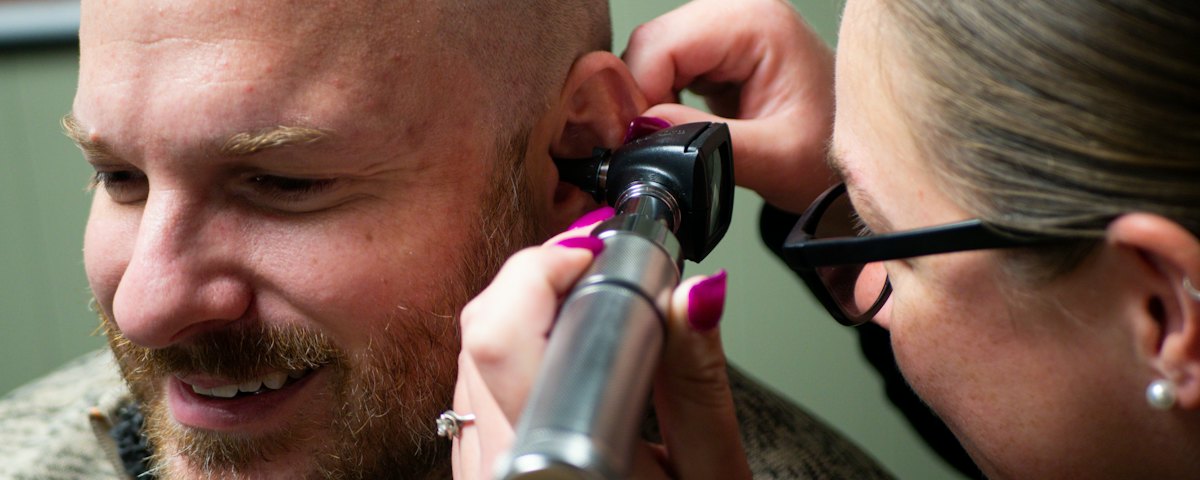
- A check of your ears.
- The hearing test in a sound booth, with tones and words.
- An explanation of the results and, if needed, of the possible solutions.
- If appropriate, a first trial of hearing aids.
✅ The checklist in short
- Previous tests and reports
- Doctor’s prescription, if needed
- List of medicines
- Current hearing aids and glasses
- Notes on difficult situations (also with the Hearing Diary)
- Your questions written on a sheet of paper
- Someone you trust
Any questions?
If you have questions about your hearing or about hearing aids, write to me: I will reply personally.
This article is for general information only and does not replace a medical examination or professional advice.
Was this helpful?