
The TV getting louder and louder, the “what?” after every sentence, answers that don’t fit. You noticed it long ago, but your family member says they hear perfectly well and that everyone else just mumbles. This is very common: on average, several years pass between the first signs of hearing loss and the first hearing check.
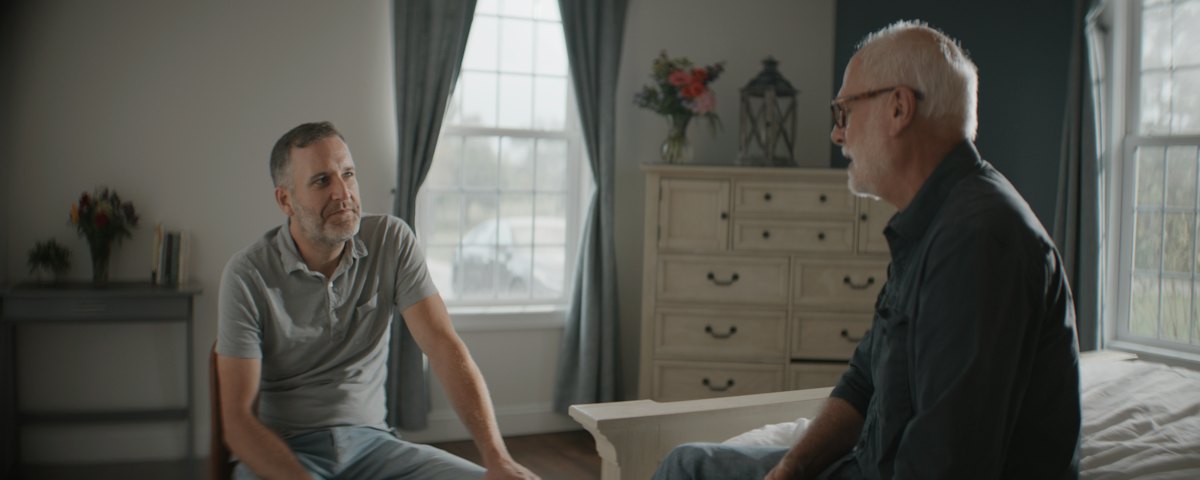
In my work I hear it almost every day: “It was my daughter who convinced me.” Taking the first step with hearing loss is a very emotional moment, and it deserves to be treated that way. My advice: don’t push, encourage.
Why it’s so hard
People with hearing loss often don’t notice it themselves: it comes on slowly and the brain adapts. On top of that, hearing aids are still linked to the idea of “getting old”. It isn’t stubbornness: it’s fear, pride and habit.
What helps
- Choose the right moment. A calm moment, one to one, not right after an argument or in front of everyone.
- Talk about yourself, not their shortcomings. “I feel sad when you can’t follow the conversation at dinner” works better than “You can’t hear anything”.
- Give concrete examples. Phone calls, the doorbell, the grandchildren who speak softly.
- Suggest a small first step. Not “you need hearing aids”, but “let’s do a test, just to know”.
- Do it together. Offer to go with them, or take the test yourself too.
What to avoid
- Making fun of them or repeating sentences by shouting.
- Acting as their “interpreter” in every situation: it helps in the moment, but it just postpones the problem.
- Putting on pressure or setting ultimatums.
- Talking about prices and devices before there has even been a test.
Why it’s worth not waiting

Hearing well isn’t just about the ears. People who hear less tend to withdraw: they avoid dinners, phone calls, outings. Research also shows a link between untreated hearing loss and mental fatigue with age. A first hearing check with a hearing care professional is often free and can make a big difference.
💡 A simple first step: the online hearing check
On my website you’ll find a free hearing check: 10 questions about everyday situations and a short test with headphones, in 2–5 minutes. At the end there’s the button “Invite someone else to take the test”, which sends the link via WhatsApp. You can also take it on their behalf: choose “For a family member or friend” and answer with them in mind. No data is stored.
After the test
If the result suggests a check-up, the next step is an appointment with a hearing care professional or an ENT doctor. To prepare, you can read the checklist for the first appointment. And if you want to know which signs to watch for: the first signs of hearing loss.
Want to understand better what happens in the ear? Read how hearing works: it also helps you explain it to the people you love.
Would you like advice for your situation?
Write to me: I’ll reply personally, even if it’s just about how to start the conversation.
This article is for information only and does not replace a medical examination or professional advice.
Was this helpful?